Can Flushable Wipes Damage Your Plumbing? What Every Homeowner Should Know
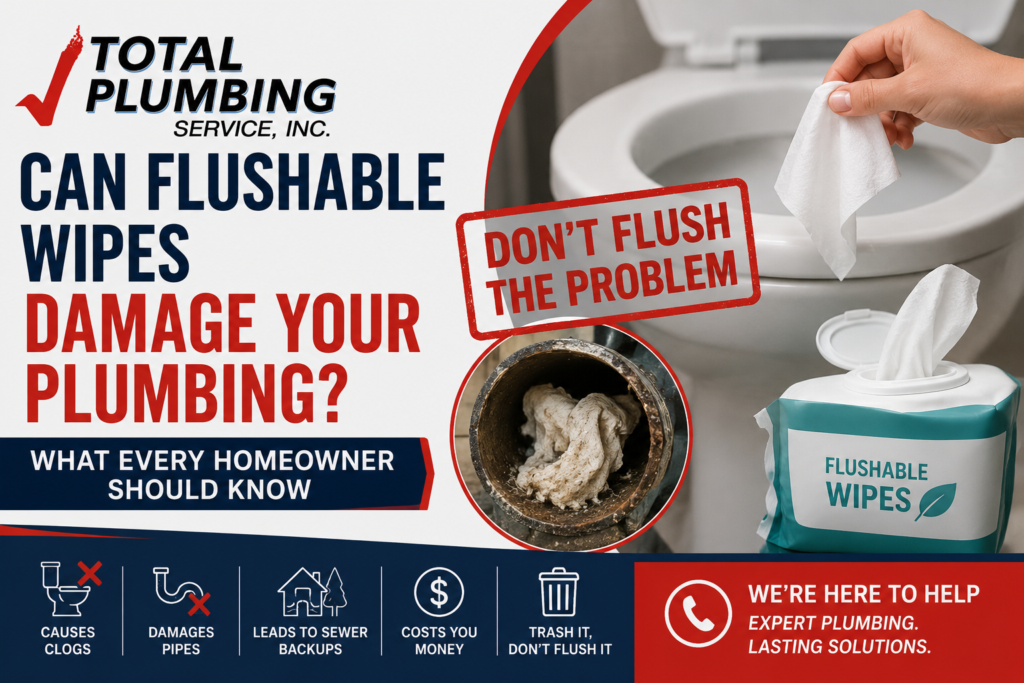
Walk down the paper products aisle of almost any grocery store and you’ll find packages labeled “flushable wipes.” While the name may suggest they’re safe to flush, the reality is much different.
Every year, plumbers across the country respond to thousands of clogged drains and sewer backups caused by flushable wipes. At Total Plumbing, we’ve seen firsthand how these products can create expensive plumbing problems for homeowners throughout the Dallas-Fort Worth Metroplex.
If you’ve ever wondered whether flushable wipes are actually safe for your plumbing, here’s what you need to know.
The short answer is not really.
While many wipes are marketed as flushable because they can physically pass through a toilet, that doesn’t mean they break down the way toilet paper does.
Toilet paper is specifically designed to dissolve within seconds after entering water. Flushable wipes, on the other hand, are made from durable synthetic fibers that help them stay intact during use. Those same fibers make them much slower to break apart once they’re inside your plumbing system.
Instead of dissolving, wipes often travel through your pipes until they catch on rough spots, grease buildup, tree roots, or other debris. Over time, they begin collecting additional material until a blockage forms.
Why Are Flushable Wipes So Hard on Plumbing?
Unlike toilet paper, flushable wipes are engineered to remain strong when wet.
That strength is exactly what causes problems.
As wipes move through your plumbing system, they can:
- Become tangled together
- Catch on pipe joints
- Wrap around tree roots
- Combine with grease and soap buildup
- Restrict water flow
- Create complete sewer blockages
Even homes with newer plumbing aren’t immune to these problems. While modern pipes may allow wipes to travel farther, they can still become lodged farther down the sewer line or contribute to blockages in municipal sewer systems.
What Happens When Wipes Clog a Sewer Line?
A clogged sewer line affects your entire home’s plumbing system—not just one bathroom.
As wastewater struggles to flow through the blockage, you may begin noticing symptoms such as:
- Multiple slow drains
- Toilets that gurgle after flushing
- Water backing up into showers or tubs
- Sewage odors inside your home
- Frequent toilet overflows
- Standing water around floor drains
If left untreated, a clogged sewer line can eventually cause sewage to back up into your home, resulting in expensive cleanup and repairs.
Learn more about our professional Sewer Line Repair services:
What Else Should Never Be Flushed?
Many plumbing problems start with items homeowners assume are safe to flush.
Only two things should ever be flushed down a toilet:
- Human waste
- Toilet paper
Everything else belongs in the trash.
Items that should never be flushed include:
- Flushable wipes
- Baby wipes
- Disinfecting wipes
- Makeup remover wipes
- Paper towels
- Facial tissues
- Cotton balls
- Cotton swabs
- Dental floss
- Feminine hygiene products
- Diapers
- Cat litter
- Grease or cooking oils
Even products labeled “septic safe” or “flushable” can create problems over time.
Can Flushable Wipes Damage Septic Systems?
In fact, septic systems are especially vulnerable to flushable wipes.
Because wipes don’t break down quickly, they can accumulate inside septic tanks, clog outlet filters, and interfere with the natural breakdown of waste.
This can lead to:
- More frequent septic pumping
- Drain field problems
- Costly septic repairs
- System backups
If your home uses a septic system, avoiding flushable wipes is one of the easiest ways to extend the life of your system.
Can My Gas Be Turned Back On the Same Day?
Once wipes have created a blockage, plungers and chemical drain cleaners rarely solve the problem.
Depending on the location and severity of the clog, professional plumbers may recommend:
Professional Drain Cleaning
Specialized drain cleaning equipment can safely remove many blockages without damaging your pipes.
Sewer Camera Inspection
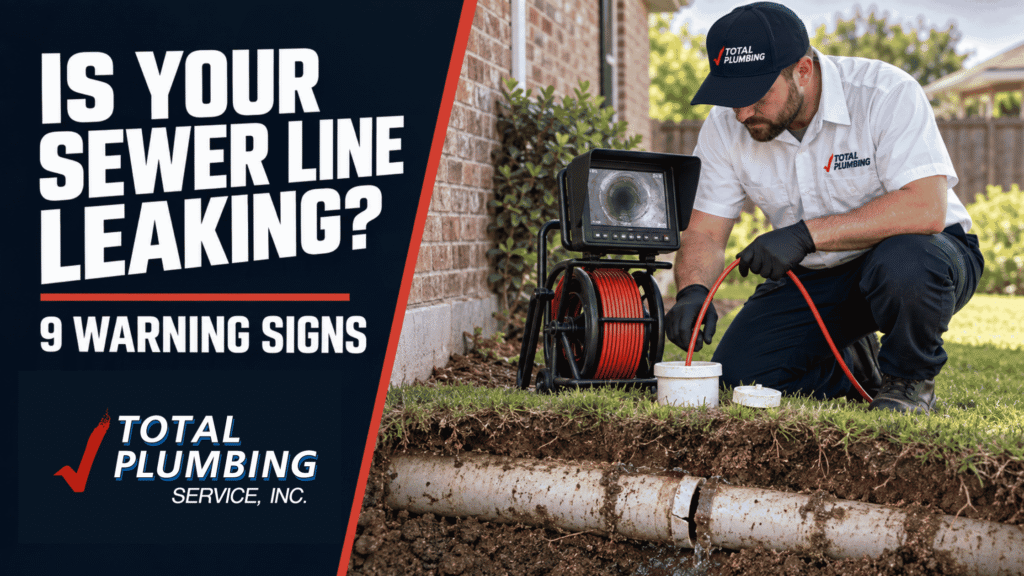
A sewer camera inspection allows plumbers to locate the exact cause of the blockage and determine whether wipes, tree roots, grease buildup, or pipe damage are responsible.
Hydro Jetting
For severe blockages, hydro jetting uses high-pressure water to thoroughly clean the inside of sewer pipes, removing grease, sludge, roots, and accumulated debris.
How to Prevent Plumbing Clogs
Preventing sewer problems is much easier—and less expensive—than repairing them.
A few simple habits can go a long way toward protecting your plumbing:
- Only flush toilet paper.
- Throw wipes in the trash, even if they’re labeled flushable.
- Avoid pouring grease down kitchen drains.
- Install drain strainers in showers and sinks.
- Schedule professional drain cleaning if you experience recurring slow drains.
- Address plumbing problems before they become emergencies.
These small changes can significantly reduce your chances of experiencing a costly sewer backup.
Why Homeowners Across Dallas-Fort Worth Trust Total Plumbing
When a drain won’t clear or your sewer line begins backing up, you need experienced plumbers who can accurately diagnose the problem and recommend the right solution.
At Total Plumbing, we’ve helped homeowners across Dallas-Fort Worth resolve everything from simple drain clogs to major sewer line repairs. Using advanced diagnostic equipment, sewer cameras, and professional drain cleaning tools, we identify the root cause of the problem—not just the symptoms.
Whether you need drain cleaning, hydro jetting, or sewer line repair, our licensed plumbers are committed to providing honest recommendations, upfront pricing, and quality workmanship you can trust.
Customer Questions about what is flushable
Why do companies label wipes as flushable?
The term "flushable" generally means the wipe can be flushed down a toilet—not that it will safely break down inside your plumbing or municipal sewer system. Many plumbing professionals and wastewater utilities recommend throwing all wipes in the trash instead.
Will one flushable wipe clog my pipes?
One wipe may not immediately create a blockage, but repeated flushing allows wipes to accumulate over time. Eventually, they can combine with grease, roots, or other debris and create a serious clog.
Are flushable wipes bad for city sewer systems?
Yes. Municipal wastewater departments regularly remove large masses of wipes, grease, and debris—often called "fatbergs"—from sewer systems. These blockages can damage equipment and cause sewer overflows.
What's the safest alternative to flushable wipes?
If you prefer using wipes, dispose of them in a trash can instead of flushing them. This simple habit helps protect your home's plumbing and the public sewer system.
Protect Your Plumbing with Smart Habits
Flushable wipes may seem convenient, but they can lead to clogged drains, sewer backups, and expensive plumbing repairs. The safest choice is simple: only flush toilet paper and dispose of wipes in the trash.
If you’re already dealing with slow drains, recurring clogs, or a suspected sewer line blockage, the experienced team at Total Plumbing is here to help. Our licensed plumbers provide professional drain cleaning, sewer camera inspections, hydro jetting, and sewer line repairs throughout the Dallas-Fort Worth Metroplex.
Contact Total Plumbing today to schedule your plumbing inspection and keep your drains flowing the way they should.