Why Your Pipes Knock When You Turn Off the Water (And What It Means for Your Home)
If you’ve ever shut off a faucet or washing machine and heard a loud bang, knocking, or hammering sound coming from your walls, you’re not alone. Many homeowners across North Texas experience this issue — and while it might seem harmless, it can actually signal a plumbing problem that should be addressed before it leads to costly damage.
Let’s break down why pipes knock, what causes it, and when it’s time to call a professional plumber.
What Is “Water Hammer”?
The most common cause of knocking pipes is something called water hammer.
Water hammer occurs when flowing water suddenly stops or changes direction quickly. Since water moves through your pipes under pressure, that sudden stop creates a shockwave that causes the pipes to vibrate and bang against walls or framing.
Think of it like slamming the brakes on a moving car — all that momentum has to go somewhere.
Common Causes of Knocking Pipes
1. High Water Pressure
Excessively high water pressure is one of the biggest culprits. When pressure is too strong, water flows faster than your plumbing system was designed to handle, making the shockwave much more forceful when valves close.
Signs this may be your issue:
Loud banging when turning off faucets
Appliances making noise during cycles
Shortened lifespan of fixtures
2. Loose Pipes
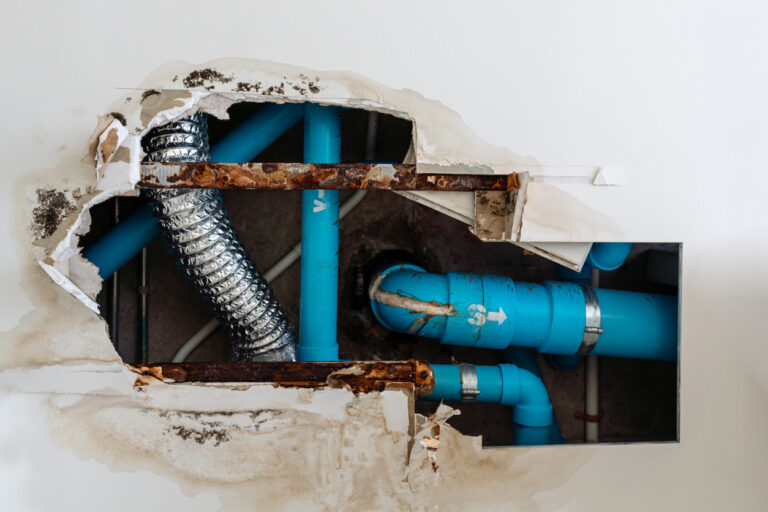
Over time, pipes can loosen inside walls or ceilings. When water stops suddenly, the pipes move and strike nearby materials, causing that distinct knocking sound.
This is very common in:
Older homes
Homes with foundation movement (common in North Texas clay soil)
Areas near washing machines or dishwashers
3. Failing Water Hammer Arrestors
Many plumbing systems include small devices called water hammer arrestors that absorb shock when valves close.
If these devices wear out or become waterlogged, they can no longer cushion the pressure — leading to loud banging noises.
4. Quick-Closing Valves
Modern appliances like washing machines and ice makers use fast-acting valves. These shut off instantly, increasing the chance of water hammer.
5. Air Chambers Losing Function
Older homes may rely on simple air chambers to absorb pressure. Over time, these can fill with water and stop working properly.
Is Knocking Pipes Dangerous?
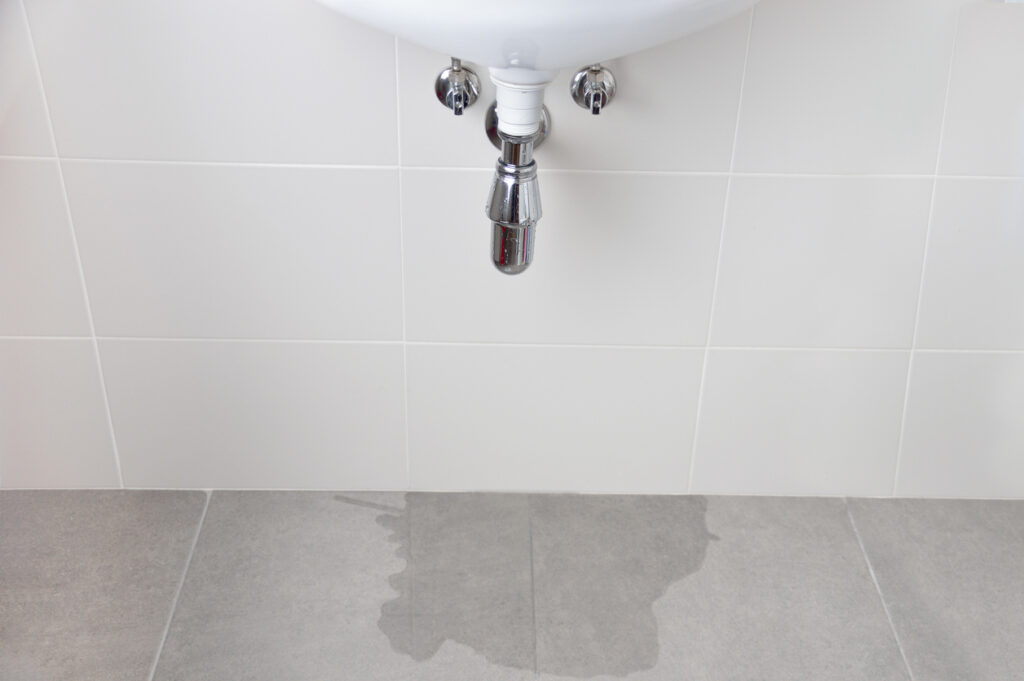
Occasional mild noise may not be an emergency, but persistent knocking can lead to serious issues:
Pipe joint damage
Hidden leaks
Burst pipes
Fixture failure
Increased wear on your plumbing system
Ignoring water hammer can eventually lead to expensive repairs — especially if a pipe connection fails inside a wall.
How Plumbers Fix Knocking Pipes
A professional plumber will diagnose the exact cause and recommend the right solution, which may include:
Installing water hammer arrestors
Securing loose pipes
Adjusting water pressure with a pressure regulator
Recharging air chambers
Replacing faulty valves
Most solutions are straightforward when caught early.
When Should You Call a Plumber?
You should schedule an inspection if:
The knocking sound is loud or getting worse
It happens frequently
You notice sudden pressure changes
You see signs of leaks or water damage
Your home is older than 15–20 years
Need Help With Noisy Pipes in North Texas?
If your pipes are knocking, banging, or making unusual sounds, it’s best to have a licensed plumber inspect the system before the problem worsens.
A quick evaluation can often identify the cause and provide a simple, long-lasting solution.