What to Do If Your Shower Drain Stinks
A foul odor coming from your shower drain can quickly make your bathroom unpleasant. That musty, sewer-like smell is usually a sign that something inside the drain or plumbing system needs attention. The good news is that most shower drain odors are caused by common issues that can be fixed with a few simple steps. If you’re wondering why your shower drain stinks and how to get rid of the smell, here’s what you need to know.
Why Shower Drains Start Smelling
Several things can cause unpleasant odors in a shower drain. The most common reason is a buildup of soap scum, hair, and bacteria inside the drainpipe. Over time, these materials collect along the pipe walls and begin to break down, creating a foul smell.
Another common cause is bacteria growing in the drain. The warm, damp environment inside a shower drain is the perfect place for bacteria to thrive. These bacteria feed on organic debris like hair and body oils, producing sulfur-like odors similar to rotten eggs.
In some cases, the smell may come from sewer gases entering the home. Your plumbing system is designed to prevent this with a component called a P-trap, which holds a small amount of water that blocks sewer gases from rising through the drain. If the trap dries out or becomes compromised, those gases can escape and cause a strong smell.
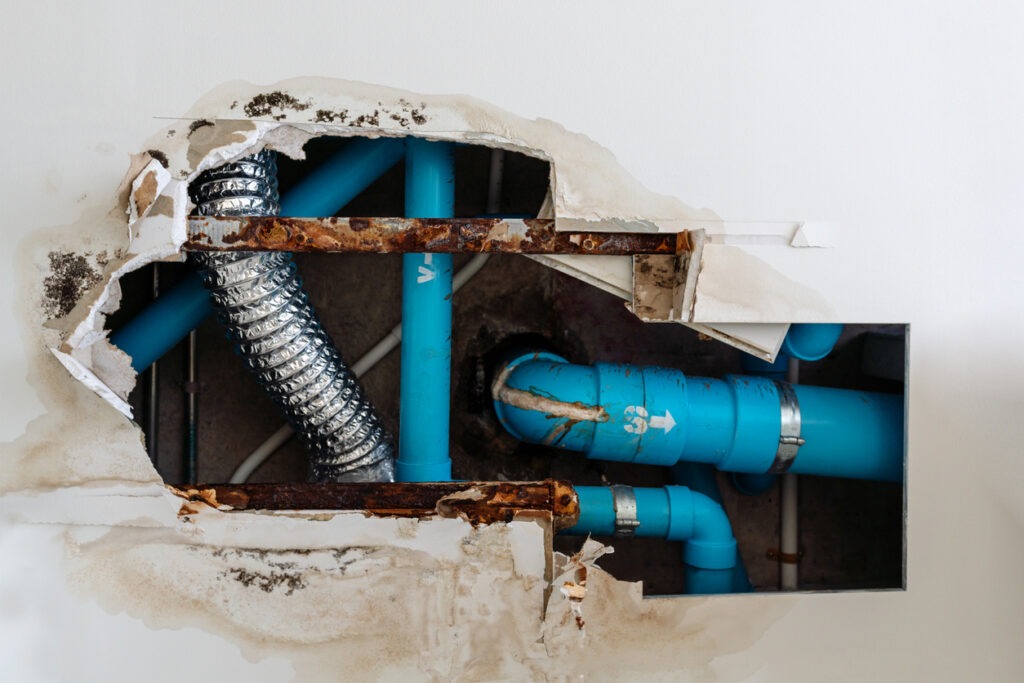
Less commonly, the odor could be caused by a deeper plumbing issue such as a clogged vent pipe, a sewer line problem, or deteriorating drain pipes.
Step 1: Remove and Clean the Drain Cover
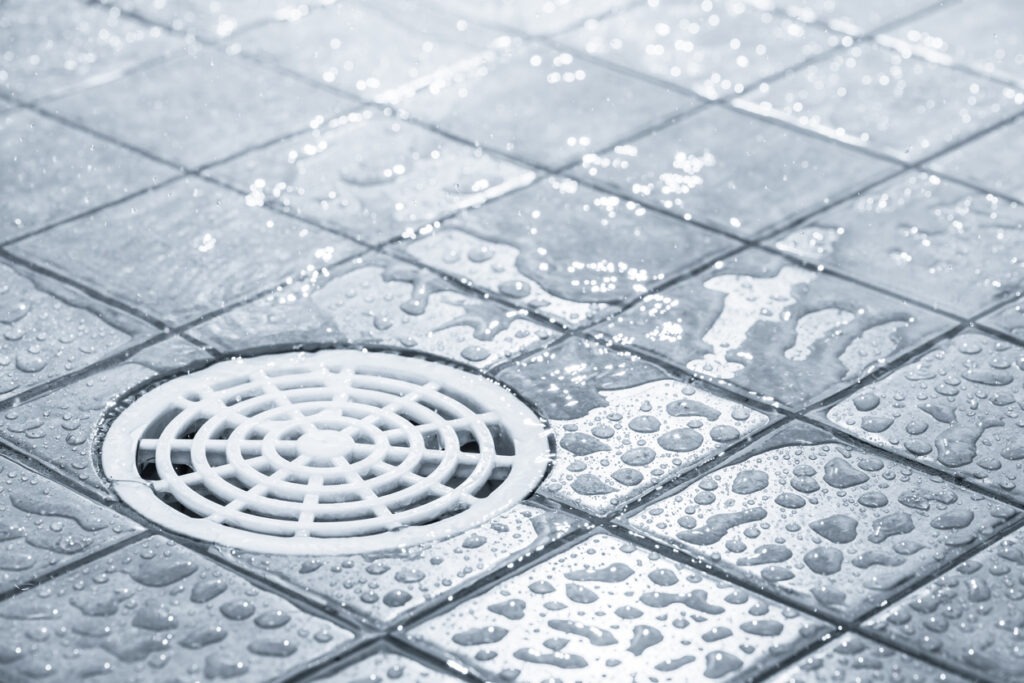
The first step in fixing a smelly shower drain is removing the drain cover and checking for visible buildup. Hair, soap residue, and grime often accumulate just below the surface.
Use gloves and remove any hair or debris you can see. You can also use a small drain brush or a bent wire hanger to pull out buildup that may be trapped just inside the pipe.
Once the debris is removed, wash the drain cover thoroughly with hot water and soap before putting it back.
Step 2: Flush the Drain With Hot Water
Sometimes odors come from grease, soap scum, or body oils stuck inside the drain. Running very hot water down the drain for several minutes can help break up this buildup and flush it away.
For best results, bring a pot of water to a near boil and slowly pour it down the drain. This can help dissolve soap residue that standard running water might not remove.
Step 3: Use Baking Soda and Vinegar
A natural and effective way to remove odor-causing buildup is using baking soda and vinegar.
Pour about one cup of baking soda into the drain, followed by one cup of white vinegar. The mixture will begin to fizz as it breaks down organic material inside the pipe. Let it sit for about 15–20 minutes.
Afterward, flush the drain with hot water to wash away the loosened debris. This method can help eliminate both odors and mild buildup without using harsh chemicals.
Step 4: Check the P-Trap
If the smell persists, the issue could be related to the P-trap under the shower.
The P-trap holds water that acts as a seal against sewer gases. If the shower hasn’t been used in a while, the water inside the trap can evaporate, allowing odors to enter the bathroom.
In this case, simply running the shower for a few minutes can refill the trap and eliminate the smell.
However, if the odor continues even after running water, there may be a blockage or ventilation issue that needs professional attention.
Step 5: Inspect for Biofilm
A slimy layer called biofilm can form inside drains over time. Biofilm is made up of bacteria, soap residue, and organic matter that sticks to the inside of pipes. It often causes persistent odors even when the drain appears clear.
Using a long-handled drain brush to scrub the inside of the pipe can help remove biofilm. Enzyme-based drain cleaners can also help break down organic material safely without damaging pipes.
Avoid using harsh chemical drain cleaners frequently, as they can damage plumbing and sometimes worsen odor problems.
Will Drano help with Smell from my Shower drain?
Products like Drano are designed to break down clogs such as hair, grease, and soap buildup, so they may temporarily reduce odors if the smell is coming from organic material trapped in the drain. However, chemical drain cleaners are not usually the best long-term solution for eliminating drain odors. They often only clear a small path through the buildup rather than fully removing it, which means bacteria and residue can remain inside the pipe and continue producing odors. Additionally, frequent use of harsh chemical cleaners can damage pipes over time, especially in older plumbing systems. In many cases, physically removing debris and cleaning the drain with hot water, baking soda, vinegar, or an enzyme-based cleaner is a safer and more effective way to eliminate the source of the smell.
When to Call a Plumber
Over the years, I’ve learned that prevention is always better than repair. Here are my top tips to keep your pipes safe during winter:
- Insulate Exposed Pipes: Use foam insulation or pipe sleeves on pipes in unheated areas like basements, attics, and crawl spaces.
- Let Faucets Drip: During extreme cold, keep a small trickle of water running in your faucets. Moving water is less likely to freeze.
- Seal Drafts: Close any gaps or cracks around doors, windows, or pipes that let cold air in.
- Keep the Heat On: Maintain a consistent temperature in your home, even when you’re away. I recommend setting your thermostat to at least 55°F.
- Winterize Outdoor Plumbing: Disconnect garden hoses, shut off water to outdoor faucets, and drain sprinkler systems before the first freeze.