North Texas Water Quality: What’s in Your Water & How a Whole-Home Filtration System Can Help
If you’ve ever noticed white buildup on your faucets, dry skin after a shower, or water that doesn’t taste quite right, you’re not alone. North Texas homeowners deal with some of the hardest water in the country—and it affects more than just comfort.
Understanding what’s in your water and how it impacts your home is the first step toward protecting both your plumbing system and your family’s daily water use.
What’s in North Texas Water?
Municipal water in the Dallas-Fort Worth area is treated and safe to drink, but that doesn’t mean it’s free from issues that affect your home.
North Texas water is known for being “hard water,” meaning it contains high levels of dissolved minerals—primarily calcium and magnesium. These minerals are picked up as water moves through soil and limestone-rich ground common in this region.
In addition to hardness, many homes also experience:
- Chlorine used for disinfection
- Sediment and debris from aging infrastructure
- Trace minerals and compounds that impact taste and odor
While these elements are generally within safe limits, they can still cause noticeable problems throughout your home.
The Real Impact of Hard Water on Your Home
Most homeowners don’t realize how much water quality affects their home until the signs become obvious—and by then, damage may already be happening.
1. Scale Buildup on Fixtures and Appliances
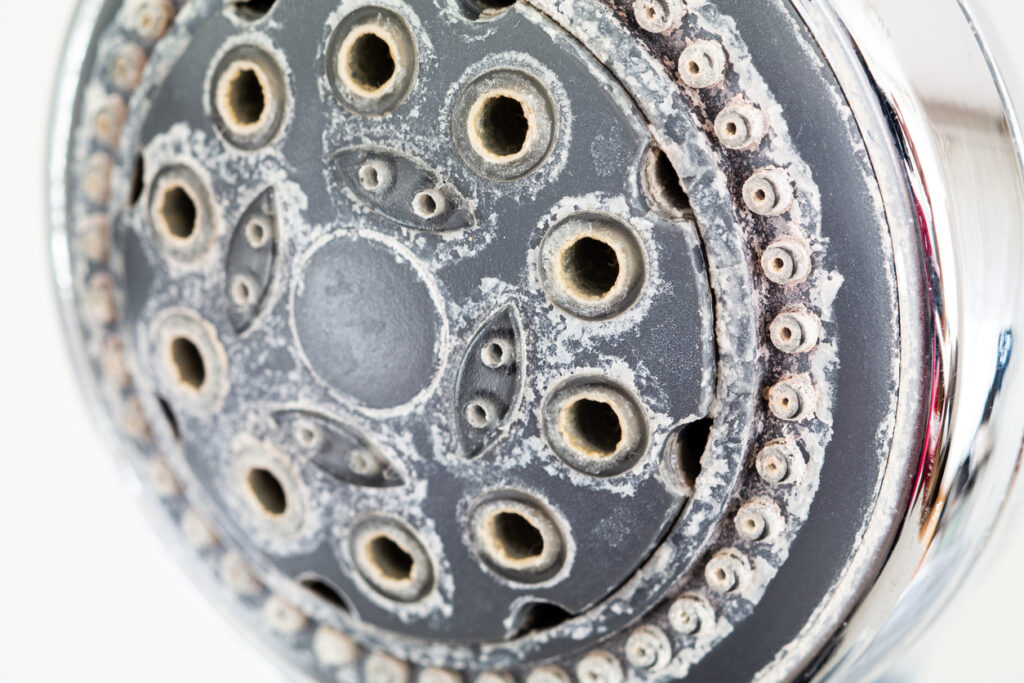
Those white spots on faucets, showerheads, and dishes are mineral deposits left behind by hard water. Over time, this buildup can clog fixtures and reduce water flow.
2. Reduced Lifespan of Water Heaters
Hard water forces your water heater to work harder. Mineral buildup collects at the bottom of the tank or inside heating components, reducing efficiency and shortening the system’s lifespan.
3. Plumbing Wear and Tear
Mineral deposits can accumulate inside pipes, leading to restricted flow and increased pressure on your plumbing system.
4. Dry Skin and Hair
Hard water and chlorine can strip natural oils from your skin and hair, leaving them feeling dry, irritated, or brittle.
5. Poor Water Taste and Odor
Chlorine and other compounds can give your water a noticeable chemical taste or smell—something many homeowners simply tolerate without realizing it can be improved.
Find out whats in your water!
Why a Whole-Home Water Filtration System Makes a Difference
A whole-home water filtration system is installed at the main water line, meaning it treats all water entering your home—not just drinking water.
This approach provides consistent protection and improvement across every tap, shower, and appliance.
Cleaner, Better-Tasting Water
Filtration systems reduce chlorine, sediment, and other contaminants that affect taste and smell. You’ll notice the difference immediately in drinking water, coffee, and cooking.
Protection for Your Plumbing System
By reducing sediment and mineral-related buildup, filtration helps protect pipes, fixtures, and appliances from premature wear.
Improved Water for Bathing
Filtered water is gentler on your skin and hair, helping reduce dryness and irritation caused by harsh chemicals and minerals.
Lower Maintenance and Repair Costs
Cleaner water means fewer clogs, less buildup, and fewer service calls—saving money over time.
Filtration vs. Softening: What’s the Difference?
Many North Texas homes benefit from a combination of both water filtration and water softening.
- Water Filtration Systems remove chlorine, sediment, and contaminants
- Water Softeners specifically target hardness minerals like calcium and magnesium
While filtration improves overall water quality, pairing it with a softener delivers the best results in areas with extremely hard water—like North Texas.
Is a Whole-Home Water Filter Right for You?
You may benefit from a water filtration system if you’ve noticed:
- White scale buildup on fixtures or glassware
- Dry skin or hair after showering
- Water that tastes or smells unpleasant
- Frequent plumbing or appliance issues
- Cloudy or discolored water
Even if these issues seem minor, they can add up over time—impacting both your comfort and your home’s systems.
Improve Your Water Quality Today
Your water touches everything in your home—from the glass you drink to the shower you start your day with. Improving its quality is one of the most impactful upgrades you can make.
A whole-home water filtration system doesn’t just improve how your water tastes—it protects your plumbing, your appliances, and your daily comfort.
If you’re ready for cleaner, better water throughout your home, schedule a water quality evaluation with Total Plumbing today.