Is Drano Bad for Pipes? What DFW Homeowners Should Know 2026
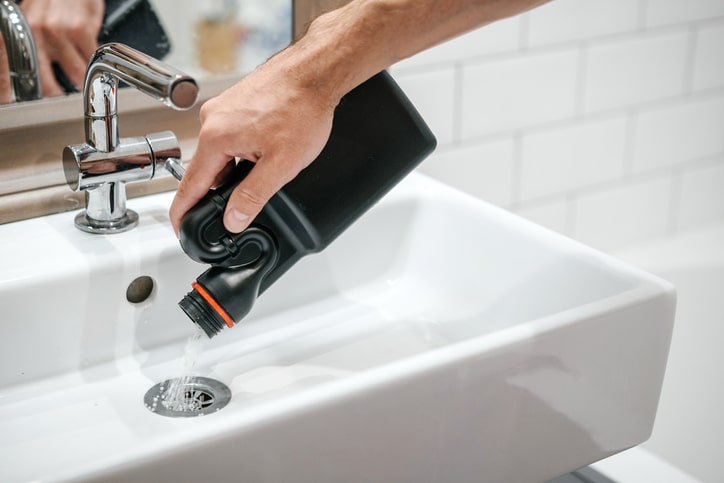
When a sink or shower stops draining, reaching for a bottle of Drano may seem like the quickest solution. But is Drano bad for your pipes?
The honest answer is more nuanced than a simple yes or no.
The manufacturer states that its clog-removing products are formulated for plastic and metal pipes when used exactly as directed. However, that does not mean chemical drain cleaner is the correct solution for every clog—or that repeated and improper use is harmless.
Chemical drain cleaners can create safety concerns, may be used in fixtures for which they are not intended and frequently fail to address the reason a drain keeps clogging. They can also leave caustic chemicals sitting inside a completely blocked drain, making subsequent repair work more hazardous.
Here is what Dallas–Fort Worth homeowners should know before pouring chemical cleaner into a clogged drain.
How Does Drano Work?
Ingredients vary between products. According to the manufacturer’s ingredient disclosures, Drano Max Gel contains sodium hydroxide, sodium hypochlorite, surfactants, water and a corrosion inhibitor.
Sodium hydroxide is a highly alkaline ingredient that helps break down organic material. Sodium hypochlorite, commonly associated with bleach, also helps break apart materials found in certain drain clogs.
These ingredients may be effective against some combinations of:
- Hair
- Soap residue
- Organic buildup
- Grease
- Soft food material
However, chemical drain cleaner cannot diagnose or repair every condition that causes a slow or clogged drain.
It will not correct:
- An object lodged inside the drain
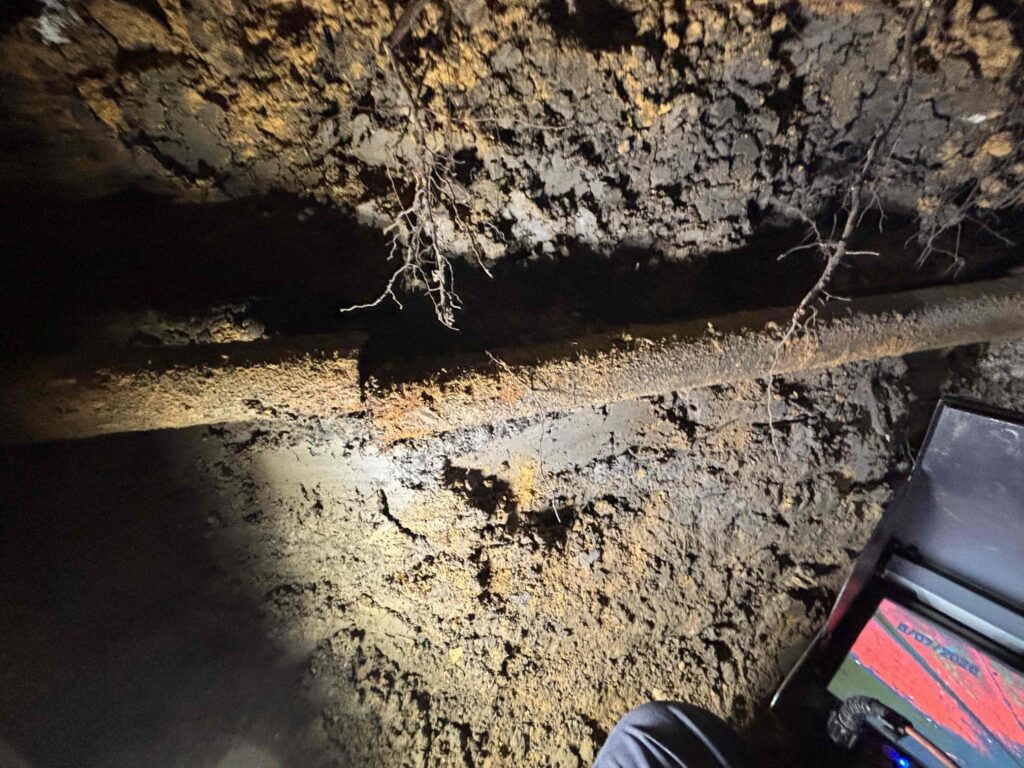
- Tree roots in a sewer line
- A broken or collapsed pipe
- A belly or improper slope in the sewer line
- Severe cast-iron deterioration
- A separated pipe connection
- A recurring main sewer-line blockage
- A plumbing vent problem
This is why a drain may temporarily begin flowing before becoming clogged again.
Does Drano Damage Pipes?
Drano’s manufacturer says its products are safe for compatible plastic and metal pipes when the correct product is used according to its label instructions.
That manufacturer guidance should be distinguished from the risks associated with misuse, repeated applications and existing plumbing defects.
Potential problems are more likely when:
- The wrong product is used in a toilet or other incompatible fixture
- Several doses are added to a completely blocked drain
- The cleaner remains trapped because the line cannot drain
- Different drain cleaners or household chemicals are combined
- Extremely hot or boiling water is added contrary to the instructions
- The plumbing already contains corrosion, weak connections or damage
- Chemical cleaner is repeatedly used instead of diagnosing a recurring clog
- Someone attempts to plunge or dismantle a drain containing caustic liquid
The primary plumbing concern is not that one properly used application automatically destroys every pipe. It is that homeowners often reach for more chemicals when the first treatment fails, even though the blockage may require mechanical cleaning or pipe repair.
Is Drano Safe for PVC and Plastic Pipes?
The manufacturer states that its products can be used with plastic pipes when label directions are followed.
However, PVC plumbing is only one part of the drainage system. A sink or shower may also contain rubber seals, metal components, older connections and previously repaired sections. A drain cleaner cannot determine whether those components are already deteriorated or improperly installed.
If a PVC drain repeatedly clogs, the problem may involve poor slope, accumulated debris, an obstruction farther down the line or another installation issue. Repeated chemical treatments will not correct those conditions.
Is Drano Bad for Metal Pipes?
Drano is also marketed for compatible metal plumbing. Some products include an ingredient intended to help inhibit corrosion.
Nevertheless, older metal drainage systems may already be deteriorating internally. Cast-iron pipes can develop rust, scale, rough interior surfaces and weakened sections that collect debris.
Chemical cleaner may remove some organic material, but it cannot:
- Remove severe corrosion
- Restore the pipe’s original interior diameter
- Seal cracks or holes
- Correct a separated joint
- Repair a collapsed section
When an older metal drain repeatedly stops up, professional cleaning and a sewer-camera inspection may provide more useful information than another bottle of cleaner.
Can You Put Drano in a Toilet?
Standard Drano clog-removing products should not be used in toilets. The manufacturer specifically directs consumers not to use its conventional clog removers for toilet blockages.
Toilet clogs are also different from many sink and shower clogs. They may involve excessive paper, wipes, hygiene products, toys or another solid object that chemical cleaner cannot effectively remove.
For a basic toilet clog, use a flange-style toilet plunger. A toilet auger may be appropriate for a blockage that cannot be cleared with the plunger.
Call a plumber when:
- The toilet remains clogged after careful plunging
- Water rises dangerously close to the rim
- The toilet clogs repeatedly
- Other drains react when the toilet is flushed
- Water appears in the bathtub or shower
- More than one toilet is affected
When several fixtures are involved, the problem may be in the main sewer line rather than the toilet itself.
No. Chemical drain cleaners are primarily designed to attack certain organic materials.
They generally cannot resolve clogs caused by:
- Toys or foreign objects
- Large amounts of paper
- “Flushable” wipes
- Mineral deposits
- Construction debris
- Tree roots
- Damaged sewer pipes
- Improper drainage slope
Even when the cleaner creates a small opening through the blockage, material may remain attached to the pipe walls. The drain can begin flowing slowly and then stop again as additional debris collects.
A recurring clog is usually a symptom that deserves diagnosis—not a reason to continue adding stronger chemicals.
What Should You Do If Drano Does Not Work?
If the drain remains blocked after using a chemical cleaner, do not add more chemicals or combine it with another product.
Avoid pouring bleach, ammonia, acids or a different drain cleaner into the same drain. Combining household chemicals can create dangerous reactions and fumes.
You should also avoid dismantling the trap or aggressively plunging the drain while chemical cleaner may still be present. Splashing can expose your skin and eyes to caustic liquid.
When calling a plumber, tell the office and technician:
- Which product you used
- Approximately how much was added
- When you used it
- Whether any other products were added
- Whether the drain is completely blocked or slowly draining
This information allows the plumbing company to prepare and approach the drain safely.
If anyone has been exposed to the chemical, follow the product’s emergency instructions and contact Poison Control or emergency medical services as appropriate.
Safer Ways to Address a Clogged Drain
The appropriate method depends on which fixture is affected and what caused the blockage.
Remove Visible Debris
Hair and soap often collect around a shower or sink stopper. Removing the stopper and cleaning accessible debris may restore drainage without putting anything into the pipe.
Do not reach into or disassemble a drain if chemical cleaner has already been added.
Use the Correct Plunger
A cup plunger is designed for sinks, tubs and showers. A flange plunger is designed to create a seal inside a toilet.
Plunging may clear a localized obstruction, provided no caustic drain cleaner is present.
Use a Manual Drain Snake
A small manual drain snake may remove hair and debris located near a sink or shower opening.
Use caution. Incorrectly forcing a cable through a fixture can damage the drain, become stuck or push an obstruction farther into the plumbing system.
Have the Drain Professionally Cleaned
Professional drain-cleaning equipment can remove stoppages beyond the reach of basic homeowner tools.
The plumber can also determine whether the problem is isolated to one fixture or connected to a larger sewer-line issue.
Consider a Sewer-Camera Inspection
A camera inspection may be appropriate when a sewer line repeatedly clogs or shows signs of physical damage.
Once the line is clear enough for the camera, an inspection may reveal:
- Tree roots
- Cast-iron deterioration
- Cracks and separated joints
- Grease or debris buildup
- Foreign objects
- Low or misaligned sections
- A partially collapsed sewer pipe
A camera inspection helps distinguish a removable clog from a structural defect requiring repair.
One Clogged Drain Versus a Main Sewer-Line Problem
A slow sink or shower may be caused by an obstruction near that fixture. Multiple fixtures backing up at the same time suggest a larger problem.
Warning signs of a main sewer-line blockage include:
- Several slow or clogged drains
- A toilet bubbling when a nearby sink drains
- Water rising in a shower when a toilet is flushed
- Sewage appearing in the lowest drain
- Gurgling throughout the plumbing system
- Wastewater around an exterior cleanout
- A clog that returns shortly after cleaning
If these symptoms are present, stop using water throughout the house. Running faucets, appliances and toilets can send additional wastewater toward a blocked sewer line and cause a backup inside the home.
When Should You Call a Plumber?
Contact a licensed plumber when:
- Chemical drain cleaner failed
- The drain is completely blocked
- More than one fixture is affected
- A toilet or sewer line is involved
- The clog repeatedly returns
- Sewage is entering the home
- You hear gurgling from multiple drains
- The home contains aging cast-iron plumbing
- You suspect roots or a damaged sewer pipe
- Caustic cleaner is trapped inside the drain
Total Plumbing Service Inc. provides professional drain cleaning, stoppage removal, sewer-camera inspections and sewer repair throughout Dallas–Fort Worth.
Our licensed plumbers evaluate the symptoms, identify the likely source and explain the available options before beginning authorized work. We provide upfront flat-rate pricing, so customers know the price before approving the recommended service.
If your drain cleaner did not work—or the same clog keeps returning—contact Total Plumbing to schedule an evaluation.