Most homeowners only think about their plumbing system when something goes wrong — a leak under the sink, a clogged drain, or suddenly no hot water. But behind the walls and beneath the floors is a surprisingly elegant system working 24/7 to deliver clean water, remove waste, and keep your home safe and comfortable.
Understanding how your home’s plumbing system works can help you spot early warning signs, make smarter maintenance decisions, and avoid costly emergencies. Let’s break it down in a simple, practical way.
The Two Main Parts of a Plumbing System
Every residential plumbing system is built around two primary subsystems:
The water supply system — brings fresh, clean water into your home
The drainage system — carries used water and waste safely out
These two systems never mix, and they rely on completely different principles to function properly.
The Two Main Parts of a Plumbing System
Every residential plumbing system is built around two primary subsystems:
The water supply system — brings fresh, clean water into your home
The drainage system — carries used water and waste safely out
These two systems never mix, and they rely on completely different principles to function properly.
1. The Water Supply System: Bringing Clean Water In
The water supply system is responsible for delivering pressurized, potable (drinkable) water to every faucet, shower, appliance, and toilet in your home.
Where the Water Comes From
Your home receives water from either:
A municipal water main, or
A private well system
Water enters your home through a main water line, usually underground, and passes through a main shut-off valve before branching out to serve the rest of the house. This shut-off valve is critical — it allows you to turn off all water in case of an emergency or repair.
Cold and Hot Water Lines
Once inside, the water supply splits into:
Cold water lines (which go directly to fixtures)
Hot water lines, which first run through your water heater
Your water heater (tank or tankless) heats cold water and distributes it to hot water taps throughout the home.
Pipe Materials
Depending on the age of your home, your pipes may be made of:
Copper
PEX (flexible plastic tubing)
CPVC
Galvanized steel (older homes)
Each has different lifespans and maintenance needs, which is why periodic inspections are important.
2. The Drainage System: Removing Used Water and Waste
Unlike the supply system, which relies on pressure, the drainage system works almost entirely by gravity.
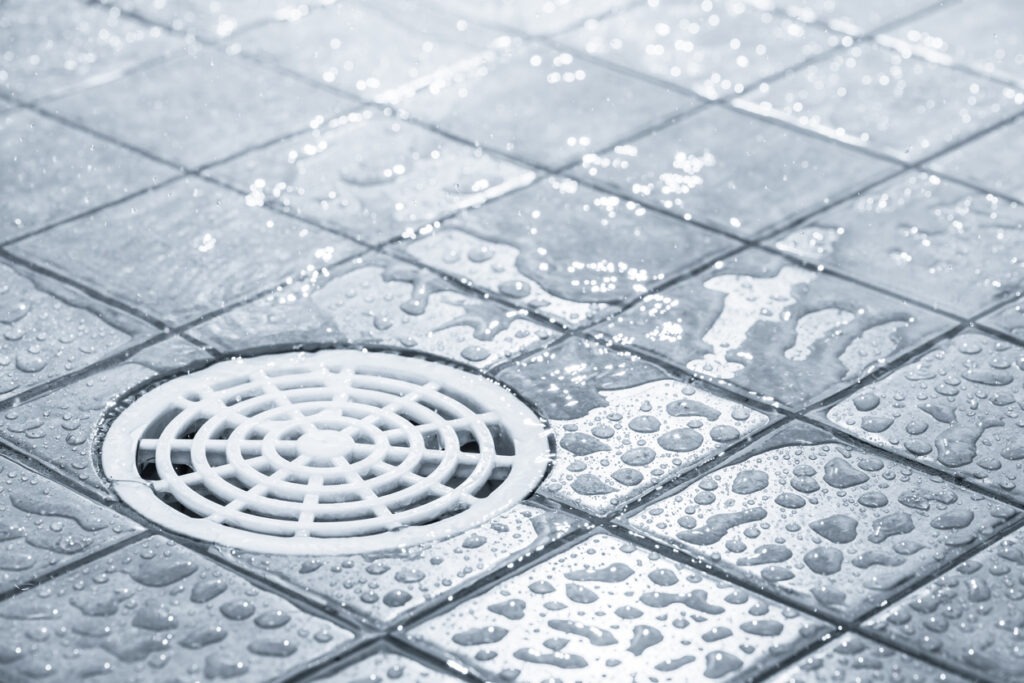
Every drain in your home — sinks, tubs, toilets, washing machines — connects to a network of pipes that slope downward toward the main sewer line.
Drain Pipes and Traps
Under each fixture is a trap (usually a P-shaped bend in the pipe). This trap holds a small amount of water that creates a seal, preventing sewer gases from coming back into your home.
Without traps, your house would smell like the sewer system — and could even become unsafe.
Vent Pipes
You may have noticed pipes sticking up through your roof — these are plumbing vents. They allow air into the drainage system, which:
Prevents vacuum pressure
Helps water flow smoothly
Protects the water seal in traps
Without proper venting, drains become slow, noisy, or smelly.
Sewer Line or Septic System
All wastewater ultimately exits your home through the main sewer line, which leads to:
A city sewer system, or
A private septic tank
This pipe is one of the most critical components — and one of the most expensive to repair if damaged by roots, shifting soil, or corrosion.
How Everything Works Together
Here’s a simplified flow of what happens when you turn on a faucet:
Pressurized water flows through the supply line to the fixture.
You use the water (wash hands, flush toilet, run dishwasher).
Used water enters the drain.
It passes through a trap and vented drain line.
Gravity carries it into the sewer or septic system.
All of this happens silently and invisibly — until something breaks.
Why Plumbing Maintenance Matters
Your plumbing system is one of the most expensive and destructive systems to ignore. A small leak can lead to:
Mold growth
Structural damage
Foundation issues
Sky-high water bills
Routine inspections, drain cleanings, leak checks, and water heater maintenance dramatically reduce the risk of emergencies.
When to Call a Professional
DIY can handle simple things like replacing a faucet or clearing a surface clog. But you should call a professional plumber when you experience:
Water stains on walls or ceilings
Sudden spikes in water bills
Sewer smells inside the home
Recurring drain clogs
No hot water
Foundation cracks near plumbing lines
These are signs of deeper issues that require proper equipment and expertise.